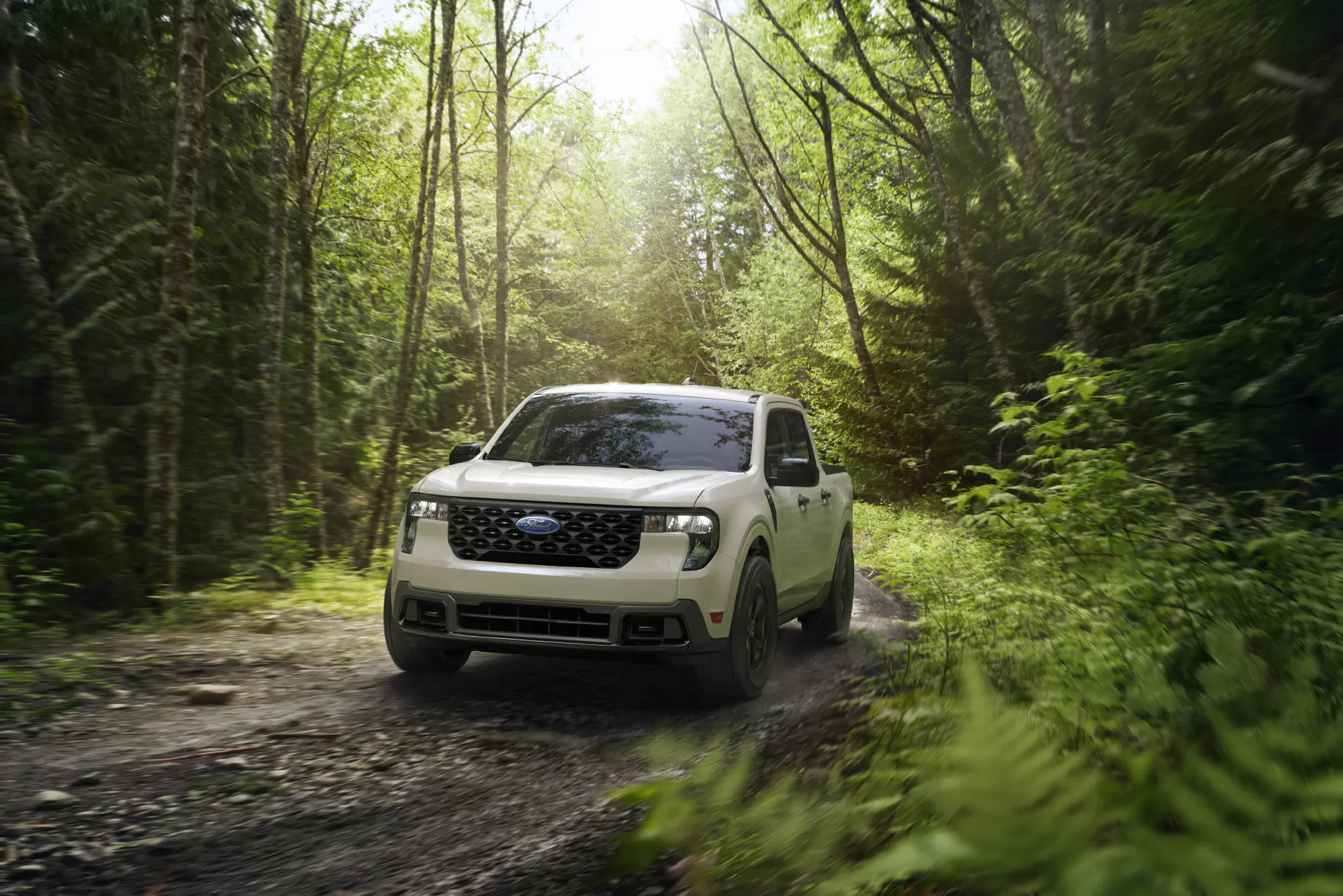
Common Ford Maverick Hybrid Problems (2022–2024)
Owners considering or already driving a compact pickup with hybrid efficiency often view the Maverick as a smart value decision. The Ford Maverick Hybrid has earned praise for fuel economy and everyday practicality, but like many first-generation electrified vehicles, early production years have revealed patterns worth understanding. Reviewing common Ford Maverick Hybrid problems helps set realistic expectations for reliability, repair costs, and long-term ownership planning.
Owner forums, dealership service data, and NHTSA-published Technical Service Bulletins identify several recurring concerns on 2022–2024 Maverick Hybrid models. Most issues are not catastrophic, but some can affect drivability or ownership confidence if left unaddressed.
| Problem Area | Common Symptoms | Affected Model Years |
|---|---|---|
| Hybrid powertrain system | Warning lights, reduced power messages | 2022–2024 |
| Electrical/software systems | Blank screens, intermittent no-start, warning clusters | 2022–2023 |
| eCVT transmission behavior | Hesitation, abrupt engagement at low speeds | 2022–2024 |
| Cooling system | Overheat alerts, coolant warnings | 2022–2024 |
| Brake system | Regenerative braking feel changes, noise | 2022–2023 |
Many of these concerns stem from calibration or software integration rather than mechanical failure.
Ford has published several Technical Service Bulletins (TSBs) and Special Service Messages (SSMs) related to 2022–2024 Maverick Hybrid models in the official NHTSA database. These documents guide dealerships on diagnosing and correcting known conditions but are not safety recalls.
Some Maverick hybrids may display a check engine light with diagnostic code P0402. Service procedures include powertrain control module (PCM) reprogramming and inspection of the exhaust gas recirculation system.
Certain hybrid trucks may exhibit grabbing under light braking at low speeds. The repair involves updating ABS and related modules using dealer programming tools.
Early 2023 Mavericks built on or before April 11, 2023 may experience shuddering during low-speed braking when transitioning into electric mode. Updated module software resolves the condition.
Some hybrid models may illuminate the MIL with codes related to exhaust heat exchanger concerns. Service procedures may include replacement of affected components.
Certain Maverick Hybrids may experience 12-volt battery discharge when parked. Dealer procedures include battery reset and battery monitoring system calibration.
Vehicles equipped with specific instrument panel clusters may display a persistent Neutral Tow Mode warning message. An instrument panel cluster software update corrects the issue.
Owners should verify applicability by VIN using the official NHTSA lookup tool:
https://www.nhtsa.gov/vehicle/tsbs
Repair costs vary depending on whether the fix involves software updates, diagnostics, or component replacement.
| Repair or Service | Estimated Cost Range |
|---|---|
| Hybrid system diagnostic scan | $150–$300 |
| Software update or reflash | $0–$250 |
| 12V battery replacement | $200–$400 |
| Hybrid battery module repair | $2,000–$4,500 |
| Full hybrid battery replacement | $6,000–$8,000 |
Hybrid battery concerns receive the most attention due to perceived cost. Complete battery failure remains rare, and federal hybrid component warranties provide extended coverage for many owners. However, cooling system components, sensors, or module failures can generate expenses once factory coverage expires.
Transmission-related software updates remain significantly less expensive than traditional automatic transmission repairs.
Hybrid battery durability aligns with Ford’s broader hybrid track record. Thermal management and software calibration play critical roles in long-term performance.
NHTSA service documentation for Maverick Hybrid models includes guidance related to:
Most battery-related warning messages are resolved through software updates or targeted component inspections rather than full battery replacement.
While long-term data is still developing, Ford hybrid systems have historically exceeded 100,000 miles with proper maintenance.
Routine maintenance remains straightforward, but hybrid-specific attention can reduce future problems.
| Maintenance Area | Recommendation |
|---|---|
| Software updates | Confirm completion at every dealer visit |
| Cooling system | Inspect coolant levels annually |
| 12V battery | Test annually and replace proactively |
| Brake system | Monitor regenerative braking components |
| Climate exposure | Avoid prolonged extreme heat when possible |
Promptly addressing warning lights or drivability changes prevents minor calibration concerns from escalating into more expensive repairs.
Most reported Ford Maverick Hybrid problems fall under early-production refinement rather than structural design flaws. Software updates and calibration improvements have resolved many initial concerns, especially on later production builds.
Buyers should evaluate these issues in context. The Maverick Hybrid delivers exceptional fuel economy and lower operating costs compared to traditional midsize trucks. Occasional software updates or minor electrical concerns are common in early hybrid ownership.
For owners planning long-term ownership beyond factory coverage limits, understanding potential high-cost components such as hybrid batteries, control modules, and cooling systems is essential for budgeting.
Hybrid vehicles concentrate value in electronics, battery systems, and control modules. Once factory warranty coverage expires, a single major repair can offset years of fuel savings.
Factory-backed extended warranty options can cover:
Granger Ford Protect offers factory-backed Ford extended warranty plans accepted nationwide at authorized Ford dealerships. These plans provide predictable repair budgeting aligned with real-world Maverick Hybrid ownership.
More details are available at GrangerFordProtect.com.
Most reports involve software-related warning lights, occasional transmission hesitation, and isolated electrical concerns rather than major mechanical failures.
Early data suggests Maverick Hybrid reliability aligns closely with other Ford hybrid platforms. Most concerns are addressed through software updates rather than major component replacement.
Complete hybrid battery failure is rare. Most battery-related concerns involve sensors, cooling performance, or calibration logic.
Many documented complaints are addressed through NHTSA-published TSBs that provide updated programming or diagnostic procedures.
Owners planning long-term ownership often find value in protecting against high-cost hybrid and electrical repairs once factory coverage expires.
Understanding known Maverick Hybrid concerns allows owners and buyers to plan confidently. Reviewing warranty options early helps lock in predictable ownership costs while enjoying the Maverick’s efficiency and practicality.
Visit GrangerFordProtect.com to explore factory-backed coverage options designed specifically for modern Ford hybrid vehicles.
Stay up to date with the latest news from Granger Ford Extended Service Plans